






Schedule 1 (Form 1040) adjusts gross income and includes impairment-related work expenses for employees with disabilities and any repayments made under the claim-of-right rule. These officials can deduct work-related expenses incurred in performing their official duties. Examples include supplies, travel for official business, or other costs directly related to their work as public officials.
Scenario #5 – Examples of Miscellaneous Expenses

Miscellaneous expenses, although often small, can add up quickly and impact the overall Insurance Accounting profitability of your business. While these expenses may seem minor compared to others on this list, they can quickly add up over time. Payment processing fees refer to charges incurred when customers make purchases using different payment methods such as credit cards or PayPal. By tracking these expenses, you can calculate your ROI and maximize the impact of these campaigns on overall sales and revenue growth.
Benefits of Tracking Miscellaneous Expenses #
They are grouped in the general ledger as ‘Miscellaneous expenses’, retained earnings balance sheet rather than being listed individually. Reviewing miscellaneous expenses helps identify patterns, allowing businesses to manage costs better. When it comes to managing finances, accurately recording and categorizing miscellaneous expenses is essential.
Miscellaneous Expenses Examples

Specific types of income and expenses warrant their dedicated ledgers, such as a sales ledger and utility ledger for incoming and outgoing expenditures. Accurate record-keeping is essential for proving that each expense meets IRS criteria for deduction. The IRS requires documented evidence for every deductible expense to ensure it aligns with eligible categories.
- Simply claiming an expense isn’t enough; it needs to be backed by proper records.
- Categorized expenses generally refer to the regular and recurring costs businesses incur to support operations.
- But it’s important to know that miscellaneous expenses are not personal expenses and need to be kept track of separately when filing taxes or managing the finances of a business.
- For example, you might notice you’re spending too much on snacks or unnecessary office supplies.
- These transactions are for amounts so small that they are not worth categorizing in a separate account.
- These are your miscellaneous expenses – and how you handle them can make a significant difference in your financial clarity and control.
- Add this amount to your other business-related expenditures within the form, and calculate the total expenses for deduction purposes.
- Budgeting for miscellaneous expenses provides a cushion for any unexpected costs that don’t fit into the standard categories of labor, materials, and overhead expenses.
- Bank fees, wire transfer fees, overdraft fees, and any other fees paid to financial services providers are miscellaneous expenses.
- Miscellaneous expenses are unclassified business expenditures that don’t fit neatly into standard accounting categories.
Business travel is one of those incidental expenses that miscellaneous expenses comes with certain types of work. You may need to cover commuting expenses, meals, lodging, and other expenses while on the road. You can write off some clothing as miscellaneous deductions if they’re used exclusively for work, like job uniforms, costumes, or steel-toed boots. For example, if you’re working as a carpenter and wear jeans to work, these cannot be claimed on your taxes, but your safety gear and reflective clothing can. The following are some of the other miscellaneous expenses you can legally claim as a business owner to reduce the total amount you owe on your tax return.
Customer Refunds & Returns
- Bank revealed that 82% of small business failures are due to poor cash flow management, highlighting the critical need for diligent expense tracking.
- It ensures that all business expenses are accounted for and well-documented so that investors can get an accurate picture of a company’s financial health.
- This is because miscellaneous expenses are irregular and unforeseen and do not fit any budgetary allowance.
- Using cloud-based storage or expense management apps can make this process seamless.
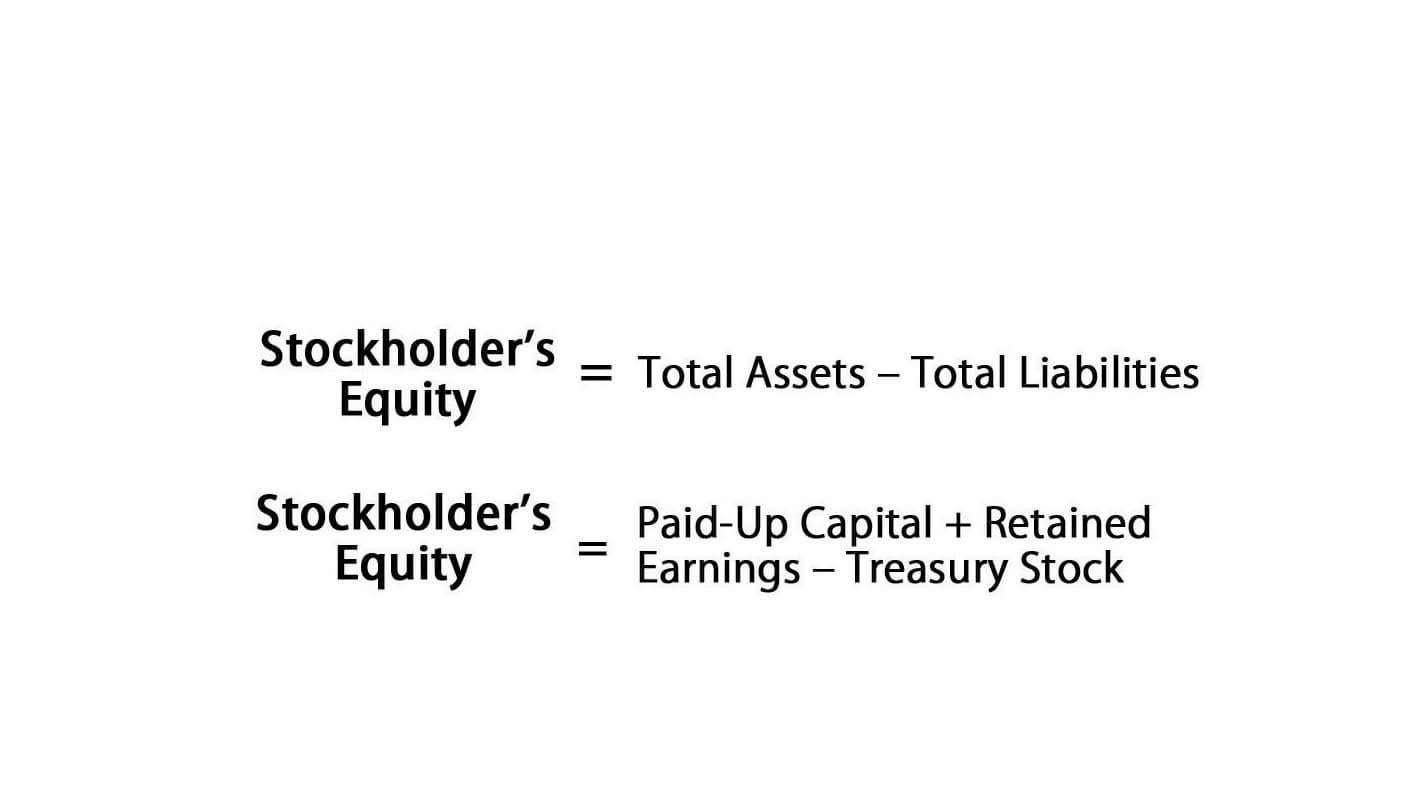
- Tracking such expenses properly (as shown in the image above) ensures accurate financial reporting, better budgeting, and maximized tax benefits.
- If he would have known he could have claimed them on his taxes, he might have been able to get a bigger refund.
- Online advertising platforms such as Google Ads and social media advertisements can reach a vast audience; however, they come at a cost that needs to be tracked.
These expenses can vary greatly depending on the type of business and its operations. Not every business expense fits neatly into traditional categories like payroll, rent, or inventory. They’re often overlooked but can significantly impact cash flow and tax deductions. These smaller, necessary costs, ranging from office supplies to travel incidentals, can quickly add up. This includes ensuring that money is not spent frivolously, and it also helps to keep expenses low. By tracking miscellaneous expenses, taxpayers get an accurate picture of what deductions they might be eligible for.

Office Supplies and Maintenance

On the other hand, miscellaneous expenses refer more specifically to day-to-day costs that don’t bring in any money, like grocery bills and travel costs. Miscellaneous expenses can be defined as a cost that generally does not fit any specific account ledger or tax category. These are typically minor transactions that are identified and tracked by the companies. They typically include small and non-recurring expenses like fees, items bought for office or business trips, etc. Budgeting for miscellaneous expenses provides a cushion for any unexpected costs that don’t fit into the standard categories of labor, materials, and overhead expenses. Plus, many miscellaneous expenses are tax-deductible, so it’s important to keep track of them in your expense management process.